

There’s something magical about standing quietly on a salt marsh boardwalk at dawn, binoculars raised, watching a bald eagle soar overhead while ducks settle onto the water below. Winter in St. Augustine transforms the Ancient City into one of Florida’s premier bird watching destinations, and you don’t need to be an expert birder to appreciate the show. When the rest of the country hunkers down against snow and ice, our coastal wetlands, maritime forests, and barrier islands become temporary home to hundreds of species traveling the Atlantic Flyway.
This guide will take you through the best spots for winter bird watching, introduce you to the migratory species you’re most likely to spot, and share practical tips for making the most of your birding adventures. Whether you’re a serious birder with a life list or someone who just enjoys watching these remarkable creatures, St. Augustine’s winter bird watching scene offers experiences you won’t find anywhere else in the state.
Why St. Augustine is a Winter Birding Hotspot
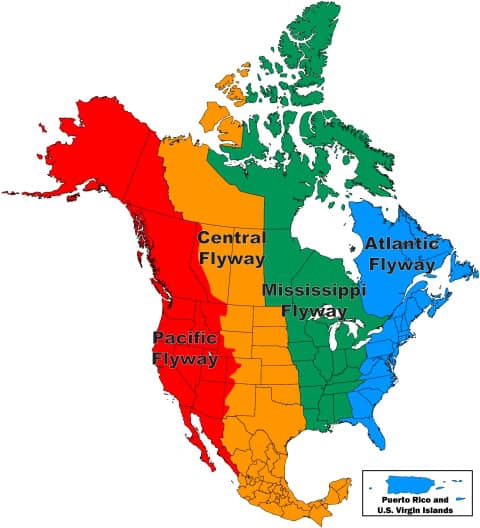
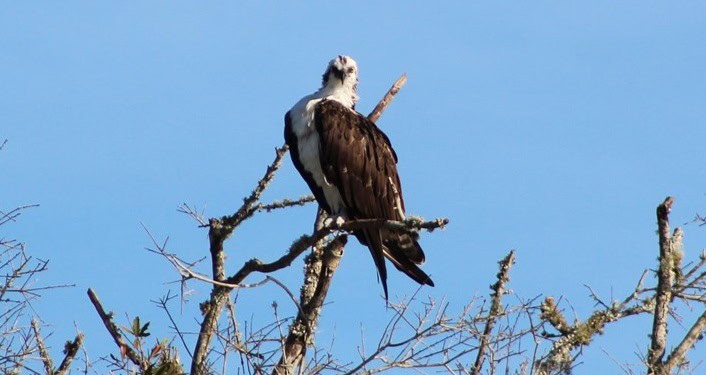
Photo courtesy of U.S. Fish & Wildlife Service
St. Augustine sits along the Atlantic Flyway, a major migratory route stretching over 3,000 miles from the Arctic to South America. About 500 different bird species use the Atlantic Flyway, and a remarkable number either pass through St. Augustine or spend their entire winter here.
The diversity of habitats packed into a relatively small area creates ideal conditions for an incredible variety of species. Within minutes you can move from coastal beaches where shorebirds hunt along the surf to tidal salt marshes where wading birds stalk through shallow water, then into maritime hammock forests where songbirds flit between oak branches. Each habitat attracts its own community of birds, and winter brings species you won’t see during other seasons.
Winter is prime time for spotting ducks, wading birds, and raptors that escape harsh northern climates. Bald eagles become more common as they fish in local waterways. White Pelicans, which only visit in January and February, gather in impressive groups. The cooler temperatures also mean more comfortable conditions for humans spending hours outdoors with binoculars and cameras.
Prime Winter Bird Watching Locations
The Guana Tolomato Matanzas National Estuarine Research Reserve stands out as the crown jewel of local bird watching. Protecting over 73,000 acres of diverse habitat, the GTM Reserve attracts both resident and migratory species in impressive numbers. The Purple, Red, and Blue Trails wind through different ecosystems, from marsh to oak scrub to pine flatwoods.
The highlight is the area around Capo Creek and Guana Lake, accessible via observation towers. When water levels are low, the lake’s north end becomes a magnet for Black-necked Stilts, Dowitchers, and other shorebirds. White Pelicans arrive in January and February. Ospreys and Bald Eagles fish the lake regularly. During April and October, this spot ranks as the best place in northeast Florida to see migrating Peregrine Falcons. The reserve also maintains a telescope at its visitor center trained on a Bald Eagle nest.
Anastasia State Park offers over 1,600 acres of protected land encompassing beaches, tidal salt marshes, sand dunes, and maritime hammock forests. Along the beach, watch for Black Skimmers, Laughing Gulls, Royal Terns, and Willets. The marshes attract Great Egrets and Little Blue Herons year-round, while the forested areas host woodpeckers, Carolina Wrens, and Red-shouldered Hawks. In winter, scan just offshore for loons and gannets. Early morning visits reward birders with peak activity levels.
 Fort Matanzas National Monument at the southern end of Anastasia Island provides free access to exceptional birding territory. The peninsula where the Matanzas River meets the Atlantic Ocean creates prime habitat. Typical sightings include American Oystercatchers, Bald Eagles, Brown Pelicans, several tern species, Great Blue Herons, Great Egrets, Ospreys, Ruddy Turnstones, Sanderlings, and Wood Storks.
Winter brings special visitors including Black Skimmers, Bonaparte’s Gulls, Dunlin, Piping Plovers, Red Knots, Sandwich Terns, and Semipalmated Plovers. The inlet’s 28 acres on the river side are designated a critical wildlife area. The National Park Service offers free two-hour birding walks that include an informal session on birding ethics and provide extra binoculars for those who need them.
The St. Augustine Alligator Farm Zoological Park offers a completely different experience. The wading bird rookery nestled among the alligators creates a unique situation where wild birds choose to nest because the alligators protect their nests from tree-climbing predators. Elevated boardwalks wind through the trees, giving intimate views at eye level.
While spring nesting season from April through July brings the most dramatic activity, winter visitors will still see Great Blue Herons and Black-crowned Night-Herons roosting in the swamp. The birds have become completely habituated to people on the boardwalks, making this an exceptional location for photography. Early bird member passes provide access before the general public arrives at 9am.
Hidden Gems for Winter Birding
Bird Island Park in Ponte Vedra Beach offers a small but exceptional birding experience in a wheelchair-accessible setting. This compact park was designed specifically with bird habitat in mind. A boardwalk leads through a turtle-shaped hedge maze of native plantings to a water feature with a bird rookery. The park’s stillness and careful habitat design attract birds of all species despite its small size.
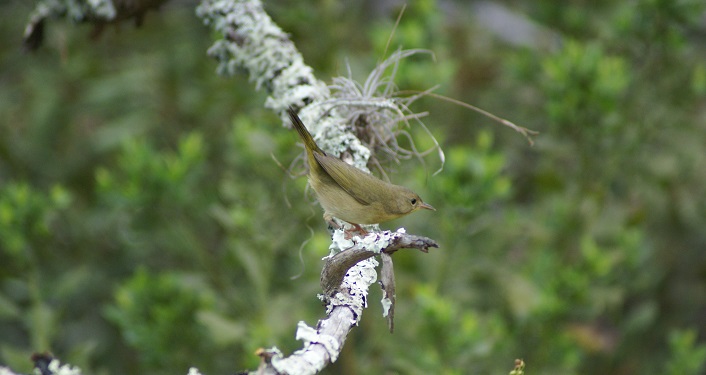
Faver-Dykes State Park south of St. Augustine provides a less-crowded alternative. This gorgeous piece of old Florida features tidal salt marshes, freshwater swamps, and mixed woodlands. The park hosts Ospreys along with various songbirds and woodland species. During migration seasons, warblers, vireos, and other small birds pass through.
Fort Mose Historic State Park combines important history with excellent birding. As the site of the first free African settlement in the United States, the park preserves crucial cultural heritage while protecting critical bird habitat. The boardwalk makes it wheelchair accessible, and the location serves as an important stopping point for birds to feed and rest along their migration route. The park has been designated an Important Bird Area by the National Audubon Society.
Winter Bird Species to Watch For
White Pelicans only visit in January and February, making them true winter specialties. These massive birds with nine-foot wingspans gather in groups on large bodies of water. Unlike their smaller Brown Pelican cousins who dive for fish, White Pelicans fish cooperatively in shallow water.
Bald Eagles become more common in winter as northern populations move south. These iconic raptors can be spotted soaring near rivers, fishing at lakes, or perched in tall trees. The GTM Reserve maintains a telescope trained on an active nest. Fort Matanzas National Monument and the waterways around Anastasia Island offer regular eagle sightings.
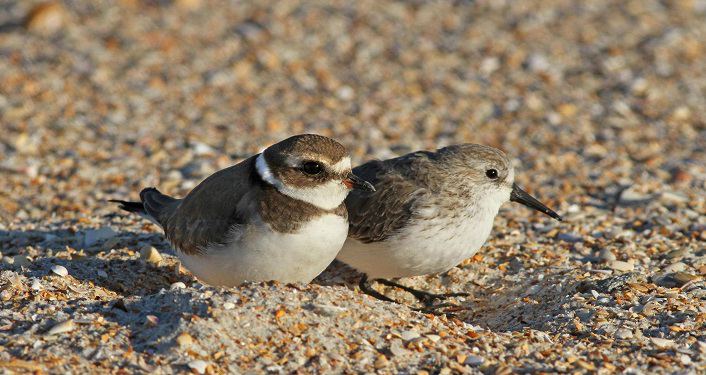
Winter shorebirds include several species that breed in Arctic regions and spend winters along Florida’s coast. Black Skimmers, with their distinctive oversized lower mandibles, become common along beaches and inlets. Piping Plovers, a rare and protected species, appear on sandy beaches. Dunlin, Red Knots, and Semipalmated Plovers join them, often in mixed flocks that feed along the tide line.
Loons and gannets can be spotted just offshore from beaches and coastal overlooks. These diving birds spend winters in warmer waters after breeding in northern regions. Scanning the ocean from Anastasia State Park or other coastal vantage points often reveals these species.
Year-Round Residents Worth Noting
Roseate Spoonbills rank among the most spectacular resident species. Their brilliant pink plumage and distinctive spoon-shaped bills make them unmistakable. These wading birds use their specialized bills to sweep through shallow water, detecting prey by touch. Anastasia State Park and various wetland locations provide regular spoonbill sightings.
Ospreys, often called fish hawks, thrive in St. Augustine’s coastal environment. Their distinctive white heads, dark upperparts, and powerful talons make them easy to identify. Watch for them hovering over water before plunging feet-first to catch fish. Their numbers increase in winter when northern populations migrate south, but resident pairs remain year-round.
Wood Storks, North America’s only native stork species, maintain a presence despite being a threatened species. These large white birds with dark heads hunt by touch in murky water. Great Egrets stand tall and elegant in both fresh and saltwater environments, hunting by standing motionless then striking with lightning speed.
Brown Pelicans provide constant entertainment along the coast. Watch them glide effortlessly just above the waves, then suddenly fold their wings and plunge headfirst into the water to catch fish.
You can see Roseate Spoonbills in St. Augustine year-round, but the best viewing is during the nesting season from January through June, especially at the St. Augustine Alligator Farm Zoological Park’s rookery, where they show peak breeding colors from January to March and busy feeding activity in April and May, with fledglings appearing mid-May. Look for them in wetland areas like the Alligator Farm or Anastasia Island after heavy rains for extra chances
Practical Bird Watching Tips
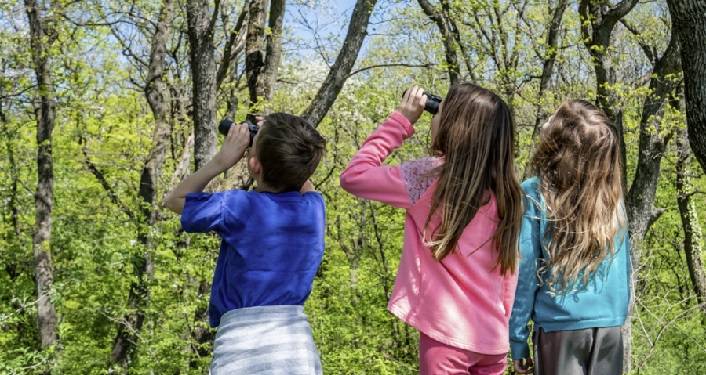
Early morning provides the best bird activity, typically in the first few hours after sunrise. Birds are most vocal and active during this period, and it’s also the coolest, quietest time on the trails. Winter’s earlier sunrises and cooler temperatures make those early morning outings more comfortable than during summer.
Binoculars are essential, ideally 8×42 or 10×42 for general birding. A field guide specific to Florida or eastern North America helps with identification. Dress in layers for winter mornings that start cool and warm up by midday. Comfortable walking shoes with good traction work better than sandals on trails that may be muddy. Sunscreen remains important year-round in Florida.
Learning bird calls and songs dramatically increases the number of species you’ll detect. Many birds remain hidden in vegetation but announce their presence vocally. Online resources and apps can help you learn the common calls of species you’re likely to encounter.
Patience rewards birders more than rushing from spot to spot. Find a promising location, get comfortable, and wait. Birds will often reveal themselves if you remain quiet and still. Scan systematically from ground level up through vegetation to the canopy. Look for movement, unusual shapes, or anything that breaks the pattern of leaves and branches.
Respecting Birds and Their Habitat
Maintain appropriate distance from birds, especially during nesting season. If your presence causes a bird to flush or change its behavior, you’re too close. Never approach nests or try to make birds fly for a better photograph.
Stay on designated trails and boardwalks. Wandering off trail damages sensitive habitat and disturbs ground-nesting birds. Critical wildlife areas like portions of Fort Matanzas Inlet are closed seasonally to protect nesting birds. Respect all closures and restrictions.
Keep voices low and movements smooth. Sudden motions and loud noises flush birds and disturb other birders. Never feed wild birds or attempt to attract them with playback of calls during nesting season.
Guided Experiences and Resources
Guided Bird Walk at Anastasia State Park … observe a variety of birds!
Anastasia State Park offers monthly guided bird walks from 8:15am to 10:00am led by knowledgeable volunteers. These walks explore diverse habitats including beaches, boardwalks, and nature trails where you’ll observe seabirds, shorebirds, and wading birds. The program is free with regular park admission and welcomes birders of all skill levels.
Free birding walks at Fort Matanzas National Monument run monthly and provide two hours of guided exploration. These walks begin with an ethics session and include loaner binoculars. Rangers share extensive knowledge about the local ecosystem and help participants identify species.
The GTM Reserve offers free guided monthly walks through hammock trails and beach ecosystems. These walks provide expert interpretation and access to areas where birds congregate seasonally.
The St. Johns Regional Audubon Society maintains extensive resources about local hotspots on their website. Their one-page guides to over 20 favorite birding locations include maps and connections to Great Florida Birding and Wildlife Trail pages. The society also organizes group outings and provides opportunities to connect with experienced local birders.
Boat tours offer a different perspective on coastal bird life. Several operators run eco-tours that focus specifically on wildlife viewing, allowing you to see birds from the water and access areas not reachable by land.
Planning Your Winter Birding Visit
Winter birding season in St. Augustine runs from December through March. Early winter brings the first major influx of northern waterfowl. January and February see the arrival of White Pelicans and peak numbers of wintering species. Late winter starts showing hints of spring migration with some early songbird movement.
Most prime birding locations charge minimal or no admission. Fort Matanzas National Monument is free. Anastasia State Park charges a modest vehicle entrance fee. The GTM Reserve is free though donations are welcomed. Only the Alligator Farm charges significant admission.
Cash-only parking fees apply at some locations like Guana River Wildlife Management Area, where a three-dollar day use fee provides access to excellent birding.
Plan for three to four hours at each major birding location to really appreciate what’s there. The beauty lies in the quiet observation, the patient waiting, the gradual accumulation of sightings.
Accommodations in the historic district or on Anastasia Island provide convenient bases for birding expeditions. Staying on the island puts you closer to Anastasia State Park and Fort Matanzas. Staying in the historic district offers easier access to restaurants and evening activities.
Your Winter Birding Adventure Awaits
Whether you’re a dedicated lifer checking species off your list or someone who simply enjoys watching egrets hunt along a marsh edge, St. Augustine’s winter bird watching scene offers rich rewards. The combination of the Atlantic Flyway’s migratory route, diverse coastal habitats, and comfortable winter weather creates ideal conditions for memorable birding experiences.
The soft winter light illuminating a Roseate Spoonbill’s pink plumage, the prehistoric silhouette of a Wood Stork hunting in shallow water, the sudden appearance of a Bald Eagle overhead, the comic waddle of a Brown Pelican on a pier, the distant calls of Mottled Ducks on Guana Lake at sunset. These moments accumulate into something more valuable than a simple list of species seen.
So grab your binoculars, download a field guide app, layer up for those cool mornings, and head out to see what winter has brought to the marshes and forests of Old City. The birds are waiting.
Disclaimer: Every effort is made to ensure the accuracy of the information in this article. Please credit OldCity.com when sharing and re-posting.