


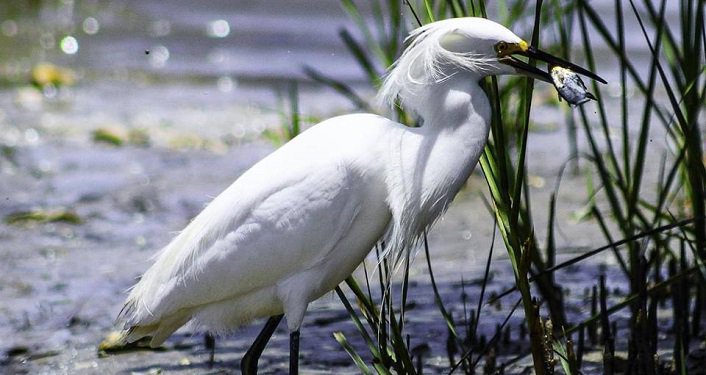
Walk on the Wild Side at Anastasia State Park
St. Augustine may be best known for its Spanish forts and cobblestone streets, but for nature lovers, it’s also one of the most rewarding birdwatching destinations on Florida’s northeast coast. Thanks to its unique mix of coastal marshes, tidal estuaries, forests, and freshwater habitats, the region attracts hundreds of bird species throughout the year—including many migratory birds.
Whether you’re a seasoned birder with a scope and life list or a beginner with a pair of binoculars, St. Augustine offers accessible and scenic locations to enjoy birds in their natural environment. In this guide, you’ll find some of the best birdwatching spots in the area, common species to look for, and practical tips to make the most of your experience.
Best Birdwatching Spots in St. Augustine
GTM Research Reserve (Guana Tolomato Matanzas)
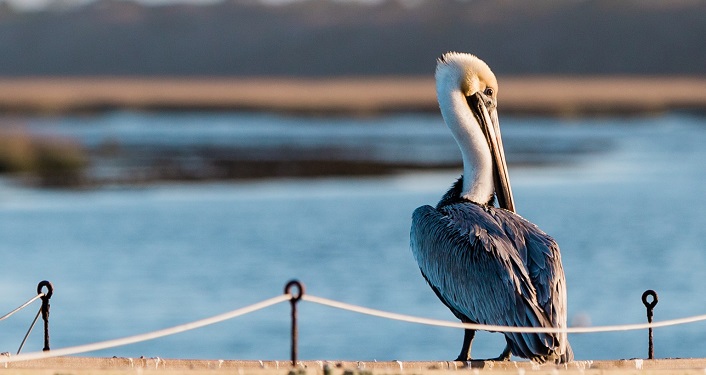
Location: 505 Guana River Rd, Ponte Vedra Beach, FL 32082
The Guana Tolomato Matanzas (GTM) Research Reserve is one of the premier birdwatching locations on Florida’s northeast coast—and with over 73,000 acres of protected habitat, it’s easy to see why. The area includes estuaries, salt marshes, dunes, and maritime forests, all of which attract a wide range of bird species throughout the year. Birders frequently report sightings of roseate spoonbills, wood storks, and great blue herons, along with raptors like ospreys and bald eagles soaring overhead.
Spring and fall migration seasons are especially exciting at GTM, when warblers, vireos, and painted buntings pass through or settle in for breeding. During the winter months, you’ll find ducks and other waterfowl in the freshwater impoundments, while summer often brings nesting terns and skimmers near the coastal edge. If you’re lucky, you might also spot the rare reddish egret or a peregrine falcon during migration.
In addition to its biodiversity, GTM is a well-organized and accessible spot for birders of all levels. The Environmental Education Center, located at the main entrance on Guana River Road, offers trail maps, bird checklists, and exhibits that help visitors learn more about the ecosystems they’re exploring. Well-marked trails and boardwalks make it easy to move between habitats, and several observation platforms are positioned in prime viewing areas. Don’t forget your camera—GTM is also a favorite spot for wildlife photography thanks to its open views and relatively approachable birdlife.
Anastasia State Park
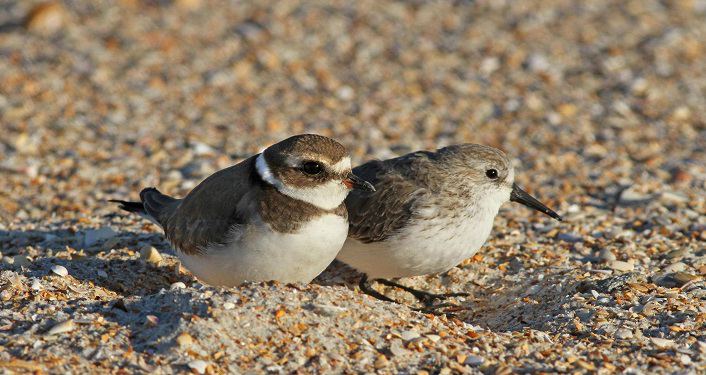
Location: 300 Anastasia Park Rd, St. Augustine, FL 32080
Anastasia State Park is one of the most accessible birding locations in St. Augustine and offers a rich mix of habitats that attract both coastal and inland bird species. The park includes over 1,600 acres of protected land, featuring tidal salt marshes, sand dunes, beaches, and maritime hammock forests—all within a few minutes of the historic downtown. It’s an ideal location for birders who want to combine nature observation with other local attractions.
Birds commonly seen in the park include black skimmers, laughing gulls, royal terns, and willets along the beach, as well as great egrets and little blue herons in the marshes. During the spring and fall migrations, songbirds like yellow-rumped warblers and palm warblers move through the forested areas. Woodpeckers, Carolina wrens, and red-shouldered hawks are often heard or seen in the shaded trails that loop through the park’s interior. In the winter, look for loons and gannets just offshore.
In addition to its birding appeal, Anastasia State Park is equipped with amenities that make visiting easy and enjoyable: restrooms, shaded picnic areas, nature trails, and a beach access boardwalk. The park’s trail system offers several quiet spots for birdwatching, especially early in the morning before beachgoers arrive. Kayak and canoe rentals are also available, giving visitors the opportunity to observe wading birds and shorebirds from the water. With both convenience and natural diversity, Anastasia is a favorite among both local and visiting birders.
State Park Admission: $8 per vehicle. Limit 2-8 people per vehicle. $4 Single Occupant Vehicle. $4 Motorcycle Fee (one or two people).
St. Augustine Alligator Farm Rookery
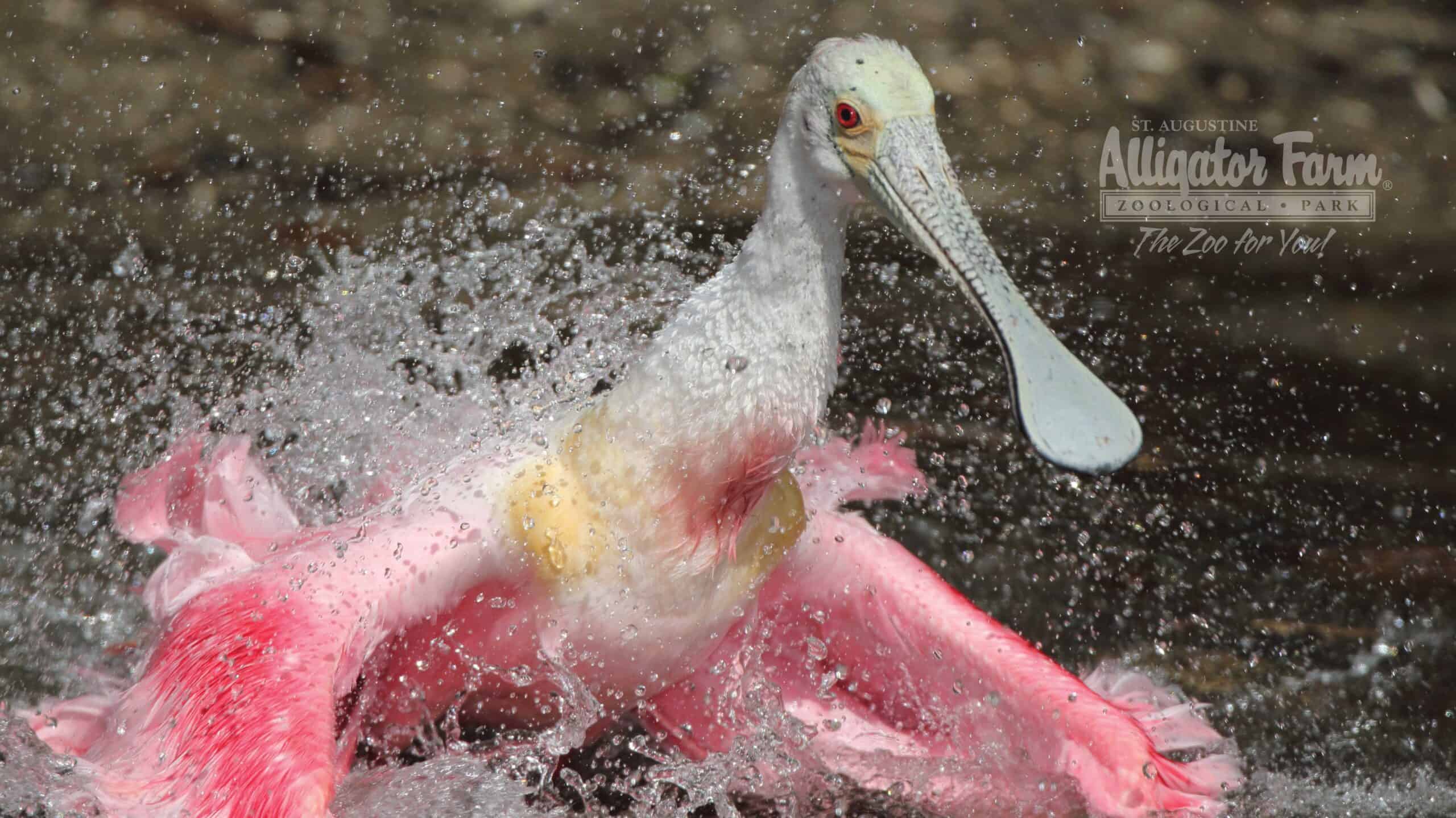
Image Credit: St. Augustine Alligator Farm
Location: 999 Anastasia Blvd, St. Augustine, FL 32080
While it might not be the first place that comes to mind for birdwatching, the St. Augustine Alligator Farm Zoological Park is home to one of the most active and accessible bird rookeries in the southeastern United States. From early spring through late summer, the trees above the alligator exhibits become crowded with nesting wading birds, offering birdwatchers and photographers a rare up-close view of courtship, nest building, and fledging activity.
During peak rookery season (typically March through June), visitors can observe dozens of species—including great egrets, snowy egrets, tricolored herons, cattle egrets, roseate spoonbills, and wood storks—all nesting in plain view. Because the birds nest over the alligator enclosures, they’re protected from ground predators and remarkably tolerant of human presence, making this one of the best places to see and photograph birds from just a few feet away. The rookery is especially popular with wildlife photographers, many of whom return annually for dramatic shots of feeding chicks and aerial displays.
What makes this site unique is that it combines wildlife conservation, education, and research in a single, well-maintained facility. Though there is an entrance fee to access the zoo and rookery, it’s well worth it for the close proximity to nesting birds and the educational opportunities throughout the park. The boardwalks are easy to navigate, and there are shaded viewing areas for extended stays. If you’re serious about birding—or simply want to witness an extraordinary natural event—this rookery is a must-visit.
Fort Mose Historic State Park
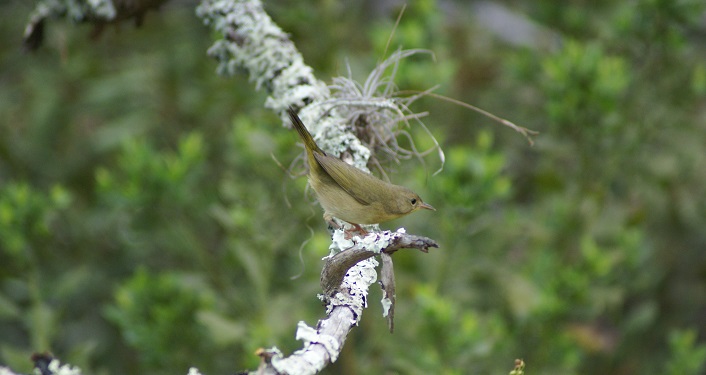
Fort Mose Guided Bird Walk
Location: 15 Fort Mose Trail, St. Augustine, FL 32084
Fort Mose Historic State Park is not only a significant cultural and historical site—it’s also an excellent destination for birdwatching. As the site of the first legally sanctioned free African settlement in what is now the United States, Fort Mose offers an important historical experience, but its surrounding salt marshes and tidal creeks make it equally appealing for nature lovers and birders.
The park features a short boardwalk trail and an elevated observation platform overlooking a wide expanse of marshland. These wetlands attract a variety of wading birds including great blue herons, snowy egrets, white ibis, and glossy ibis. Red-winged blackbirds and marsh wrens are often seen flitting among the reeds, while ospreys and red-shouldered hawks may be spotted overhead. Early mornings and low tide tend to be the most active birdwatching times, as birds gather to feed in the exposed mudflats.
Fort Mose’s blend of historical interpretation and natural preservation makes it an especially well-rounded stop for visitors interested in both heritage and wildlife. The visitor center offers insight into the fort’s history, and the quiet, less-trafficked trails offer a calm, scenic setting for spotting birds without large crowds. Whether you come for the birding, the history, or both, Fort Mose is a rewarding and meaningful addition to your St. Augustine birdwatching itinerary.
Stokes Landing Conservation Area
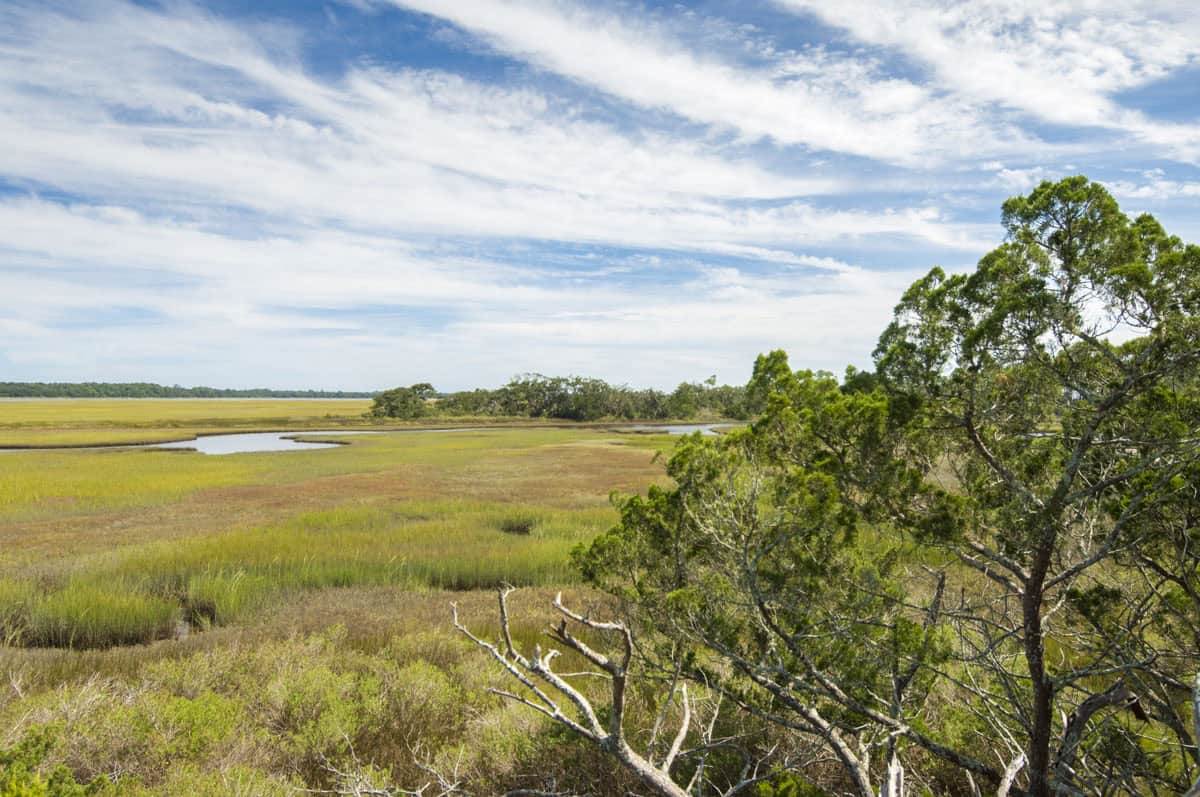
Location: 415-599 Lakeshore Dr, St. Augustine, FL 32095
Stokes Landing Conservation Area is a quiet, off-the-beaten-path destination that offers some of the most peaceful birdwatching opportunities in the St. Augustine area. With around five miles of trails winding through pine flatwoods, oak hammocks, and coastal wetlands, this conservation area provides habitat for a wide variety of bird species. It’s particularly well-suited for birders looking for a more rustic, low-traffic experience.
Bird species commonly observed here include woodpeckers, red-shouldered hawks, great horned owls, and a variety of songbirds such as warblers and vireos during migration seasons. The wetlands near the observation platform are good for spotting wading birds like great egrets and herons, and the quiet environment makes it easier to listen for elusive birds like the barred owl or pileated woodpecker. Because it’s less developed than some other parks, Stokes Landing offers a more immersive experience, especially in the early morning hours.
Facilities are limited—there are no restrooms, and signage is minimal—so it’s best to come prepared with your own supplies, including water, insect repellent, and a map or GPS if you’re unfamiliar with the area. That said, the low foot traffic and natural surroundings make this a great choice for birders who prefer solitude and a deeper connection to the landscape. It’s a true hidden gem for those willing to venture just a bit beyond the usual tourist stops.
River to Sea Preserve
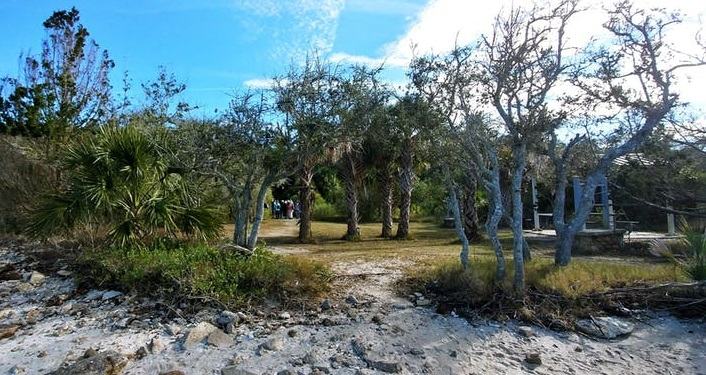
Location: 9805 N Ocean Shore Blvd, Marineland, FL 32137
The River to Sea Preserve is a compact but rewarding destination for birdwatchers looking to experience both coastal and forest habitats in one visit. Located just south of St. Augustine along scenic A1A, this preserve includes a short, well-maintained loop trail through a maritime hammock and scrub habitat, along with direct access to the Atlantic shoreline across the road. It’s a great option for birders of all experience levels looking for an easy, low-key outing.
The preserve supports a variety of birdlife throughout the year. Along the forested trail, you may see or hear Carolina wrens, chickadees, red-bellied woodpeckers, and gray catbirds. In the more open areas and overhead, watch for ospreys and hawks, particularly in the fall and winter. The adjacent beach area is home to gulls, terns, pelicans, and occasionally sanderlings or plovers running along the surf.
Amenities at River to Sea Preserve include a small parking area, restrooms, picnic tables, and beach access, making it convenient for a short stop or a relaxing half-day trip. Interpretive signs along the trail highlight native plant species and the importance of coastal ecosystems. Because of its dual habitat access and easy walkability, this preserve is a great spot for both casual birders and anyone interested in combining nature with a scenic drive along Florida’s coast.
Common Birds to Spot in St. Augustine

White Ibis at Fort Matanzas National Monument – seen during Junior Ranger Birder Class
St. Augustine’s unique position along the Atlantic Flyway—a major migratory route used by birds traveling between North and South America—makes it a dynamic birdwatching destination. The types of birds you’ll encounter vary by season, but there’s something to see all year long, from coastal species and forest dwellers to colorful migrants passing through in spring and fall.
Here’s a breakdown of the bird types you’re most likely to encounter in the region, whether you’re birding in marshland, by the sea, or in wooded trails.
Wading Birds
These birds are commonly found in salt marshes, wetlands, and along the edges of rivers and estuaries. They’re especially active during low tide when food is most accessible.
- Great Egret – Tall, elegant, and easy to spot with its pure white plumage and slow, graceful movements.
- Snowy Egret – Smaller than the great egret, with striking yellow feet and active foraging behavior.
- Roseate Spoonbill – A local favorite thanks to its bright pink feathers and spoon-shaped bill.
- White Ibis – Easily recognized by its curved red bill and white body, often seen in groups.
- Tricolored Heron – A slender heron with a mix of blue-gray, white, and reddish plumage, often found in shallow waters.
Shorebirds & Seabirds
Best observed along beaches, mudflats, and inlets—especially during migration and winter months.
- Black Skimmer – Distinctive for its long, lower mandible and skimming feeding technique just above the water’s surface.
- Willet – A stocky, grayish shorebird that reveals striking black-and-white wings in flight.
- Sanderling – Small and energetic, often seen chasing waves along the shoreline.
- Piping Plover – A rare and protected species; look for them in sandy beach habitats.
- Royal Tern – A sleek seabird with a bright orange bill and a black crest, often found roosting in flocks.
- Brown Pelican – Common and charismatic, seen diving headfirst into the water to catch fish.
Birds of Prey
St. Augustine’s open skies and marshy hunting grounds make it a good place to spot raptors, especially during cooler months.
- Osprey – Often seen hovering above water before plunging for fish; look for their large stick nests atop poles and platforms.
- Red-Shouldered Hawk – Frequently heard before seen, with a distinctive high-pitched call and reddish plumage on the chest.
- Bald Eagle – More common in winter; these iconic birds can be spotted soaring near rivers or perched in tall trees.
Songbirds & Migrants (Seasonal)
Spring and fall migrations bring bursts of color and song to forests, hammocks, and backyards alike.
- Painted Bunting – A showstopper with its rainbow-colored feathers; often spotted in the GTM Reserve and wooded parks in spring and summer.
- Indigo Bunting – Vibrant blue and commonly seen during spring migration in scrub and edge habitats.
- Northern Cardinal – A year-round resident and easily recognized by its bright red color and melodic song.
- Yellow-Rumped Warbler – One of the few warblers found in winter, often flitting among trees in mixed flocks.
- Carolina Wren – Small but loud, with a distinctive “tea-kettle” call and a curious, active presence in forested areas.
- Eastern Towhee – Frequently heard rustling in leaf litter; their “drink-your-tea” song is a classic sound of southeastern woodlands.
St. Augustine offers a rich mix of habitats that allow birdwatchers to observe a variety of species, often within a short distance of one another. With each season bringing new highlights—from nesting rookeries to colorful migrations—it’s a destination that rewards repeat visits and keeps your bird list growing.
Tips for Birdwatching in St. Augustine
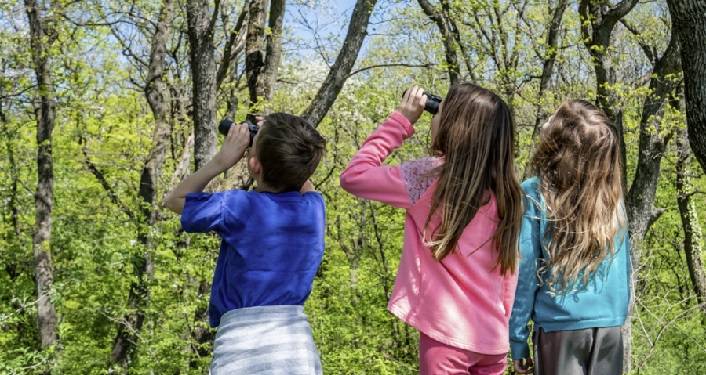
Whether you’re spending a quiet hour at a marsh overlook or planning a full-day trip to multiple birding spots, a little preparation can go a long way toward making your experience enjoyable, productive, and respectful to the wildlife you’re observing. St. Augustine offers a wide range of birdwatching environments, so it helps to know what to expect and how to get the most out of your time outdoors.
Best Time to Go
Timing plays a big role in what you’ll see—and how comfortable you’ll be.
- Early mornings are the best time for bird activity. Birds are most vocal and active in the first few hours after sunrise, which also tends to be the coolest, quietest time on the trails.
- Spring (March–May) and fall (September–November) bring peak migratory activity, with songbirds, raptors, and shorebirds passing through or settling in for a seasonal stay.
- Winter is prime time for spotting ducks, wading birds, and raptors that overwinter in Florida’s warmer climate.
- Summer, while hot and humid, is still rewarding—especially at rookeries where nesting activity is in full swing.
What to Bring
Having the right gear makes your trip more enjoyable and helps you stay focused on the birds, not your discomfort.
- Binoculars or a spotting scope are essential for identifying birds from a safe distance without disturbing them.
- Bird ID guides or apps like Merlin Bird ID, Audubon Bird Guide, or eBird can help you identify calls, log sightings, and learn about seasonal patterns.
- Water and snacks are important for longer outings—hydration is especially key in Florida’s heat and humidity.
- Sun protection such as a wide-brimmed hat, sunglasses, and reef-safe sunscreen helps protect you during extended time in the sun.
- Insect repellent is highly recommended in marshy areas or during warmer months.
- Notebook or checklist if you enjoy tracking your sightings or want to record what you see for future reference.
Be Respectful of Wildlife
A successful birdwatching trip isn’t just about spotting rare species—it’s also about minimizing your impact on the environment.
- Maintain distance, especially from nesting birds and rookeries. If a bird changes its behavior or flies away as you approach, you’re likely too close.
- Stick to designated trails and boardwalks. These areas are designed to protect fragile habitats while still offering great views.
- Keep noise levels low—birdsong can help you identify species, and quiet environments allow for a better overall experience.
- Avoid feeding birds, even if they seem accustomed to people. Human food can harm wildlife and change natural behavior.
Photography Tips
Bird photography can be both exciting and challenging. These quick tips will help you capture great shots without disrupting the moment:
- Use natural light and shoot early or late in the day when lighting is softer and birds are more active.
- Be patient—often, the best photos come from waiting quietly rather than chasing birds around.
- Use zoom lenses or crop from high-resolution images to avoid getting too close physically.
- If you’re photographing near a rookery or sensitive area, stay behind barriers and use platforms or observation decks whenever possible.
With a little planning and care, birdwatching in St. Augustine can be a deeply rewarding way to explore the area’s natural beauty. Whether you’re after a rare sighting or simply want to spend time outdoors, these tips will help make your outing a success—for both you and the birds.
Discover the Wild Side of St. Augustine
Birdwatching in St. Augustine offers more than just the chance to spot rare or beautiful species—it’s an invitation to experience the area’s natural diversity in a deeper, more intentional way. Whether you’re standing quietly in a salt marsh at sunrise or walking a shaded forest trail during spring migration, birding encourages you to slow down, stay present, and appreciate the unique habitats that make this region so special.
From coastal preserves and protected wetlands to historic parks and scenic forests, St. Augustine provides a rich and varied landscape for wildlife viewing year-round. It’s not just about checking birds off a list—it’s about connecting with Florida’s ecosystems and enjoying time outdoors in a meaningful, peaceful way. For many visitors and locals alike, birdwatching becomes a gateway to exploring even more of what the region has to offer.
If you’re looking to extend your time in nature, consider turning your birding trip into a full outdoor getaway. Many of the best birding locations are also perfect for camping in St. Augustine or pairing with a scenic hiking trail adventure. Whether you’re planning a quick morning walk or a weekend-long wildlife escape, St. Augustine makes it easy to experience the quieter, wilder side of Florida’s historic coast.
Disclaimer: Every effort is made to ensure the accuracy of the information in this article. Please credit OldCity.com when sharing and re-posting.