

Sometimes the best stories live on the quietest streets.
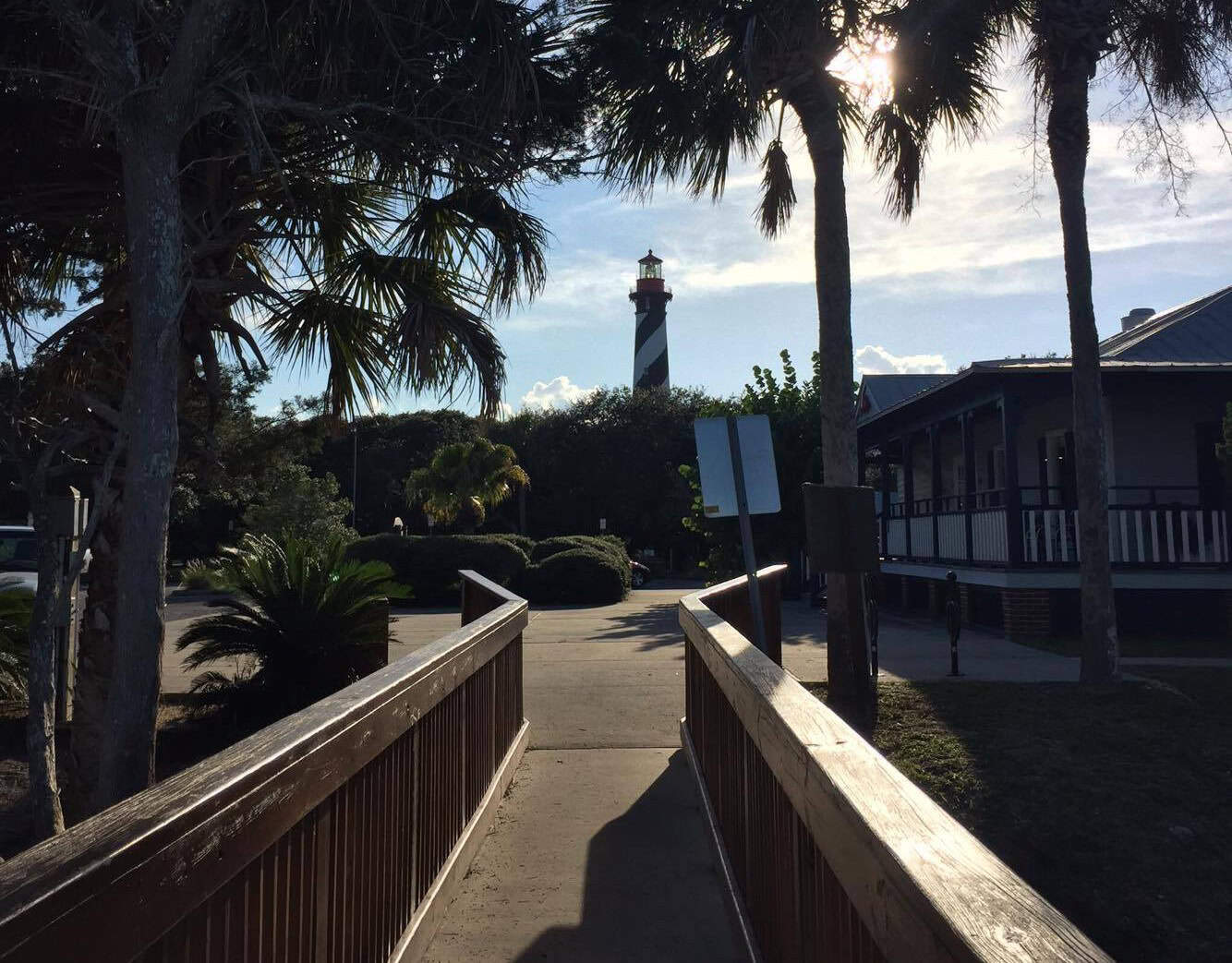
St. Augustine Lighthouse
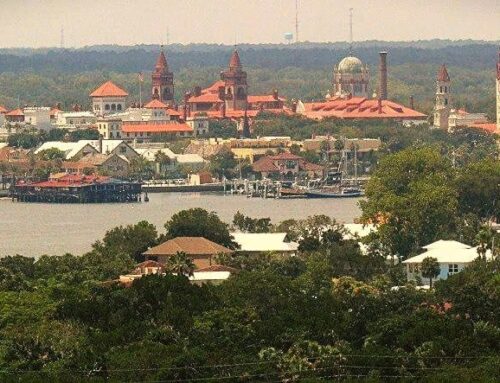
St. Augustine is famous for its big landmarks: The soaring Castillo, the bustling shops of St. George Street, the postcard-perfect views along the bayfront, these spots deserve their fame, but the real magic of the Nation’s Oldest City often lingers in the places visitors skip. Tucked behind historic homes, hidden beyond the beaten paths, and woven into neighborhoods few travelers reach, St. Augustine holds stories that never make it into the standard sightseeing loop.
This post kicks off our Historic Walking Tours Series by shining a light on three remarkable walks that reveal a different side of the city. These routes are quieter. They are richer in detail. They bring you closer to the lives of the people who shaped St. Augustine across centuries.
If you are ready to explore beyond the usual highlights and discover what most visitors never see, start with these three walks.
Why Explore Beyond the Main Attractions?
Short answer: Because the most fascinating history often happens where the crowds are not.
Off the beaten path walks let you experience St. Augustine the way locals do. You wander shaded side streets, hear stories tied to family homes instead of fort walls, and enjoy the calm rhythm of neighborhoods that hold centuries of heritage without the downtown bustle. These spaces shine a brighter light on everyday lives. They show how communities grew, changed, struggled, and thrived. They add emotional depth to the city’s more familiar historical timeline.
Exploring beyond the main circuit invites a richer kind of connection. It slows you down, sharpens your attention, and gives you a deeper sense of place.
Featured Walking Tour 1: The Lincolnville Hidden History Walk

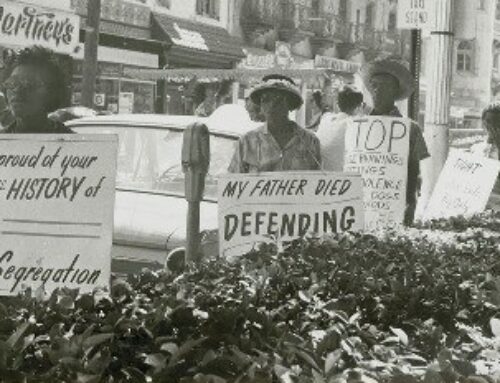
If there is one neighborhood every traveler should explore, it is Lincolnville. Most visitors never make it south of King Street, yet Lincolnville is one of the most historically powerful places in St. Augustine. Founded in 1866 by freed men and women after the Civil War, the neighborhood became a center of African American life, culture, business, and activism for more than a century.
This walk takes you through streets lined with nineteenth and early twentieth century homes, many still lived in and loved. You pass historic churches that served as community anchors. You learn about civil rights leaders who shaped national conversations. And you stand in places that witnessed some of the most important local events of the Civil Rights Movement.
Highlights may include:
- The site associated with Dr. Robert B. Hayling, a key leader in the movement, the Excelsior School building, now the Lincolnville Museum and Cultural Center
- St. Cyprian’s Episcopal Church and other historic places of worship
- Marsh front backstreets that still carry the feeling of the neighborhood’s earliest days
This walk is perfect for visitors who want a story with emotional weight. It celebrates courage, community, and resilience. It offers context that deepens every other historic stop in the city. And it invites you to understand St. Augustine in a more complete, more human way.
Tours vary throughout the year, and some are offered during special heritage events. Check OldCity.com for the latest schedule and offerings.
Featured Walking Tour 2: Old Spanish Quarter Backstreets Tour
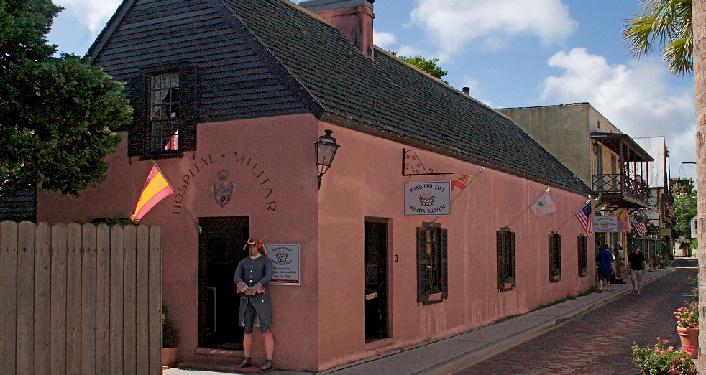
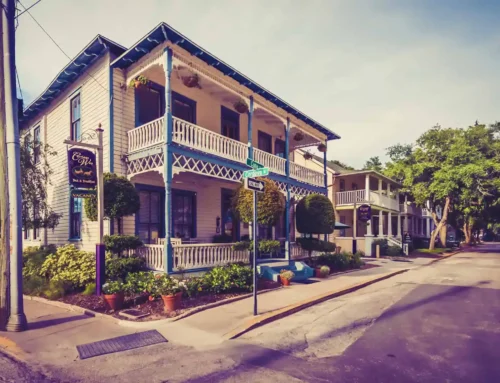
Sometimes the smallest spaces hold the biggest charm. That is exactly what you discover on a walk through the Old Spanish Quarter’s narrow side alleys and unassuming offshoots. While most travelers stay on St. George Street, this tour slips behind the scenes to showcase the hidden corners that reflect daily life during the First Spanish Period.
Instead of the major attractions, you wander cobblestone lanes, peek at tiny courtyards, and stop at coquina homes that visitors often pass without noticing. These streets reveal how everyday people lived, cooked, slept, prayed, and worked. It is a quieter, more intimate look at Spanish colonial life.
Highlights may include:
- Aviles Street’s lesser known side lanes
- Small archaeological pockets with surprising stories
- Coquina structures tucked behind modern storefronts
- Lesser known colonial era burial sites and plazas
This walk is perfect for architecture lovers, photographers, and anyone who likes to wander with curiosity. It pairs well with downtown browsing but feels entirely different from the typical sightseeing route.
Featured Walking Tour 3: St. Augustine Lighthouse and Wild Spaces Walk
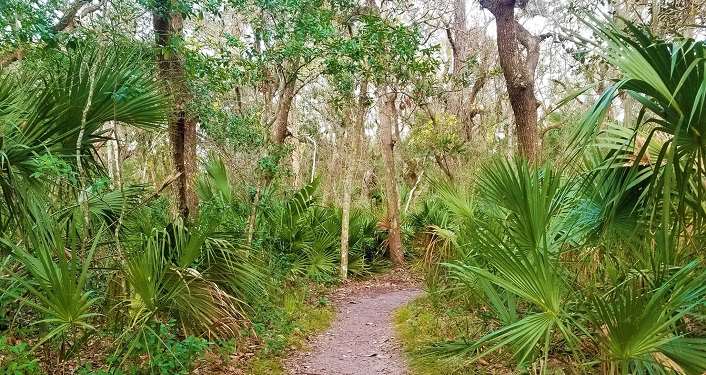
History and nature intertwine beautifully on Anastasia Island. Most visitors cross the Bridge of Lions for the beaches, but this tour reveals a deeper story.
The walk centers around maritime history and the people who worked the waters long before St. Augustine became a tourist destination. It also highlights the island’s wild beauty, its coastal habitats, and its long connection to navigation and survival.
Highlights may include:
- The grounds surrounding the St. Augustine Lighthouse
- Salt Run and its old maritime access points
- Former Coast Guard and boat building sites
- Trails lined with interpretive signs that blend natural and cultural history
This route is peaceful, scenic, and full of character. It is ideal for visitors who enjoy walking while learning and love a good mix of fresh air and storytelling.
Some tours partner with the St. Augustine Lighthouse or local naturalists. Others operate seasonally. Check OldCity.com for up to date details.
Tips for Getting the Most Out of Your Walk
A little preparation makes any walking tour more enjoyable. Here are a few quick suggestions.
- Wear comfortable shoes. Historic streets can be uneven and some routes cover several blocks.
- Bring water, especially in warmer months. St. Augustine can be sunny even in winter.
- Consider an early start. Morning light is beautiful for photos and the temperatures are cooler.
- Check schedules ahead of time. Some tours run seasonally or during special events.
- Look for small details. Window shutters, rooflines, shell paths, architectural materials, and courtyard gates all have stories.
- Ask questions. Guides love sharing deeper insight and often have neighborhood specific knowledge you will not find anywhere else.
Self Guided Options and Additional Resources

If you prefer to explore on your own, you can adapt many of these routes into personal adventures. Lincolnville has interpretive markers, street side plaques, and a museum worth visiting. The Old Spanish Quarter is one of the easiest areas to wander without a guide. Anastasia Island offers several small walking trails and public access points that pair beautifully with lighthouse visits.
For more ideas, self guided routes, or updated tour listings, browse the OldCity.com event calendar or the St. Augustine City Blog for seasonal suggestions.
Best Times of Year for Walking Tours
You can walk St. Augustine at any time of year, but certain seasons offer extra advantages.
- Fall and spring bring comfortable temperatures and lower humidity.
- Winter offers crisp mornings, golden light, and quieter streets.
- Summer mornings can be beautiful if you start early before the heat builds.
Tours often increase during major festivals or heritage months, so the best time to walk might also coincide with special programming.
A Final Note for Explorers
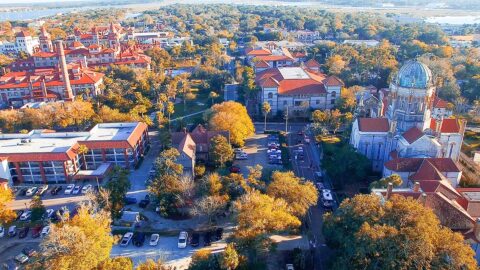
Photo Credit: trolleytours.com
Off the beaten path tours offer something special. They let you experience St. Augustine through its quieter corners, its neighborhood stories, and its lived history. These walks create space to slow down, listen closely, and see the city with new eyes.
Whether you choose the powerful history of Lincolnville, the intimate backstreets of the Old Spanish Quarter, or the scenic maritime stories of Anastasia Island, each route brings you closer to the heart of the Nation’s Oldest City.
Start with the tour that speaks to you and plan your next adventure from there. St. Augustine is full of stories waiting to be discovered.
Disclaimer: Every effort is made to ensure the accuracy of information on the City Blog. Sharing and re-posting this blog is encouraged. Please credit OldCity.com when sharing. Photo Credits: OldCity.com