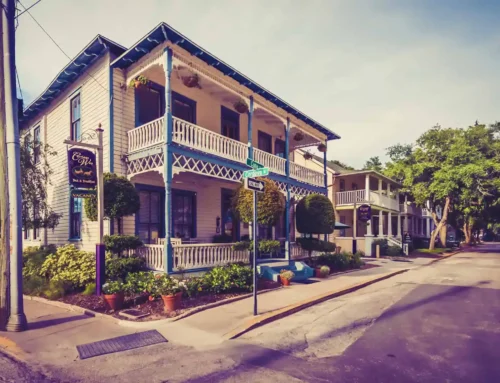


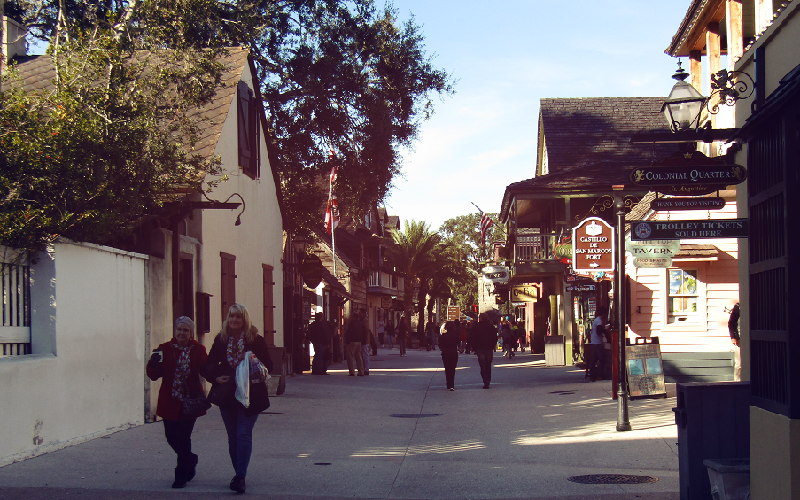
Winter in St. Augustine isn’t about hibernating indoors or battling blizzards. While the rest of the country bundles up against bone-chilling winds, our cobblestone streets remain perfectly walkable under gentle sunshine and mild temperatures hovering in the comfortable 60s and 70s. This is the season when the Ancient City truly comes alive with twinkling lights, fewer crowds, and that magical quality of discovery that makes every corner feel like you’re the first person to find it.
Whether you’re a snowbird escaping the cold or a local looking to rediscover your hometown, winter offers the perfect combination of outdoor exploration and cozy indoor retreats. This guide will take you through the best winter walks, unique tours, fascinating museum experiences, and warm gathering spots that make St. Augustine’s cooler months the ideal time to experience everything Old City has to offer. Get ready to fill your calendar with adventures both grand and intimate.
Walking Into History: Perfect Winter Strolls
 The beauty of St. Augustine in winter is that you can actually enjoy walking without melting into a puddle of sweat. The cooler air transforms the historic district into an ideal setting for leisurely strolls where you can take your time reading plaques, admiring architecture, and stopping for photos without the summer heat rushing you along.
Start your walking adventure on St. George Street, the pedestrian thoroughfare that serves as the city’s beating heart. Unlike the crowded summer months, winter gives you space to breathe and really absorb the atmosphere. Pop into local boutiques without fighting through crowds, or duck into one of the cafes for a warm drink while watching street performers. The northern end leads you to treasures like the Huguenot Cemetery and the Oldest Wooden School House, both wonderfully atmospheric in the softer winter light.
For a longer walk that combines history with natural beauty, head to Anastasia State Park just minutes from downtown. The four-mile stretch of shoreline becomes almost meditative in winter, perfect for peaceful beach strolls where you can actually hear the waves. The park’s ancient sand dunes and hardwood forest hiking trails offer a different character in the cooler season.
The Bridge of Lions provides one of the most iconic walks in the city. This historic drawbridge connecting St. Augustine to Anastasia Island looks especially dramatic during golden hour, when the winter sun sits lower in the sky and bathes the Matanzas River in warm light. The stone lion statues guarding the bridge make for perfect photo opportunities, and the views never get old no matter how many times you cross.
Tours Worth Taking

Winter is actually the best time to join one of St. Augustine’s many tours. The comfortable temperatures mean you’re not suffering through a trolley ride in oppressive heat, and the smaller crowds give tour guides more opportunity to share stories and answer questions. Old Town Trolley offers hop-on, hop-off service throughout the city, and their drivers know every hidden gem and historical tidbit worth sharing. It’s the ideal way to get your bearings, especially if this is your first visit or you’re trying to cover a lot of ground.
For something more intimate, walking tours take on new life in winter. Walking tours through the historic district work better when you’re not constantly seeking shade or gulping water. Your guide can take time at each stop, and you’ll actually remember the details instead of just focusing on how hot you are. Ghost tours become even spookier when darkness falls earlier, and there’s something about crisp winter evening air that makes those haunted history stories hit differently.
Indoor Adventures: Museums That Transport You
When you do want to escape into air-conditioned comfort, St. Augustine’s museum scene delivers experiences that go way beyond dusty displays behind glass. The Lightner Museum tops most must-visit lists, and for good reason. Housed in the former Alcazar Hotel from 1888, this stunning building showcases a fine collection of 19th-century art and Victorian-era antiques, along with mechanical musical instruments that still work. The museum’s most unique feature is Café Alcazar, located in what used to be the hotel’s indoor swimming pool. Having lunch surrounded by this architectural marvel is an experience you won’t find anywhere else. Reservations are recommended, especially during peak winter season.
The St. Augustine Pirate & Treasure Museum offers exactly the kind of interactive, immersive experience that works for visitors of all ages. Located across from the Castillo de San Marcos, this museum holds over 800 authentic pirate artifacts, including Thomas Tew’s treasure chest (the only known authentic pirate treasure chest in the world) and one of only three surviving authentic Jolly Roger flags. The exhibits created by Disney Imagineers bring the Golden Age of Piracy to life through multi-sensory experiences. You can fire a cannon on the gun deck, explore a replica pirate ship, and search for hidden discovery drawers throughout the museum marked with skulls and crossbones. It’s particularly popular during the cooler months when families want a break from outdoor activities but still crave adventure.
The Colonial Quarter provides an entirely different kind of experience. This living history museum recreates life in 16th, 17th, and 18th-century St. Augustine with costumed interpreters demonstrating blacksmithing, colonial crafts, and military drills. The hands-on activities keep everyone engaged regardless of the weather.
Don’t overlook the Gonzalez-Alvarez House, also known as the oldest house museum complex. The oldest surviving Spanish colonial dwelling in the city offers guided tours where history comes alive through personal stories of the families who lived there. The ornamental garden becomes a peaceful retreat where you can sit and imagine what life was like centuries ago.
The Castillo Connection
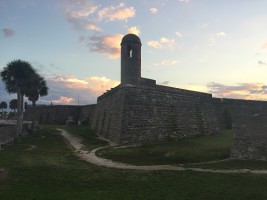
No discussion of St. Augustine indoor activities would be complete without the Castillo de San Marcos National Monument. While technically outdoors, this massive stone fortress completed in the late 17th century provides enough covered areas and thick walls to offer shelter from any winter chill. It’s the oldest masonry fortification in the country, and winter is actually the perfect time to explore it without waiting in lines.
The Castillo uses large indoor spaces for exhibits about fort history and military life, complete with period weapons and artifacts. Rangers give regular talks throughout the day, and the views from the gun deck over Matanzas Bay are particularly beautiful under winter’s softer light.
Cozy Gathering Spots
After a day of exploration, winter evenings in St. Augustine call for warm, welcoming spaces where you can settle in and reflect. The historic district is filled with restaurants housed in centuries-old buildings, many with fireplaces and intimate lighting.
Local bars and pubs along the cobblestone streets host happy hours that feel especially inviting when there’s a slight chill in the air. Several offer live music throughout the week, creating that perfect atmosphere where you can enjoy a craft cocktail or local beer. Coffee shops take on new importance in winter, serving as warming stations between activities and gathering spots where locals and visitors mingle over excellent brews.
Special Winter Experiences

Fort Matanzas National Monument offers a different perspective on Spanish colonial defense strategies with its 18th-century fortified watchtower. The National Park Service operates free ferry rides to the fort (note: ferry service is not available on Tuesdays and Wednesdays, and boarding passes are first-come, first-served at the visitor center). When operating, the experience of arriving by boat and exploring this smaller but equally historic fort provides a unique glimpse into Florida’s Spanish past, and the surrounding nature trails showcase the coastal ecosystem beautifully.
Fort Mose Historic State Park provides a deeply important and interactive museum experience at the site of the first free African settlement in the United States. This historically significant location offers educational exhibits about the people who fled slavery and found freedom in Spanish Florida. The winter months provide ideal conditions for exploring the grounds and taking time to truly absorb the weight of the history preserved here.
Anastasia State Park becomes a winter haven for nature lovers who want to experience Florida’s coastal ecosystem without summer’s heat. The 139 campsites accommodate both RVs and tents. Beyond the beach, the park offers fishing, canoeing, kayaking, and birdwatching opportunities, with more wildlife visible when temperatures are cooler.
Making the Most of Winter Weather
St. Augustine’s winter weather is wonderfully mild but unpredictable. You might need a light jacket in the morning and be in short sleeves by afternoon. The key is layering and keeping flexible plans. The mild temperatures averaging in the mid-60s to low-70s during the day (with cooler nights in the 40s and 50s) make this perfect for those who find summer’s heat oppressive.
Beyond the Obvious
One of winter’s greatest gifts in St. Augustine is discovering places that summer crowds might overshadow. The St. Augustine Art Association showcases local and regional artists in a historic building worth visiting just for the architecture. The Old Jail Museum, designed in 1891, offers tours led by guides in period attire that become more personal and atmospheric with smaller winter groups.
 Planning Your Winter Visit
Winter in St. Augustine runs roughly from December through March, with each month offering different experiences. December brings the full force of Nights of Lights and holiday festivities. January and February offer the most tranquil experience with the smallest crowds and best deals on accommodations.
Book accommodations in the historic district to maximize walkability and minimize driving. Many bed and breakfasts and historic inns offer winter packages that include breakfast, parking, and sometimes tour tickets.
The Winter Advantage
The biggest advantage of visiting St. Augustine in winter is the sense of discovery that comes from having space to explore. You can stand at the city gates and read historical markers without crowds. Museums feel less rushed. Tour guides have time for extended conversations.
The restaurants you’ve read about have tables available without advance reservations. The historic inns offer better rates and availability. The trolleys have empty seats. These practical benefits transform a good visit into a great one, proving that the best time to visit isn’t always when the weather is perfect but when the experience is most authentic.
Your Winter Adventure Awaits

Whether you’re drawn to the history embedded in the Castillo, the interactive adventure of the Pirate Museum, the artistic treasures of the Lightner, or simply walking quiet streets while the rest of the country shivers, winter in St. Augustine offers something special. The season invites both grand adventures and small discoveries, outdoor exploration and cozy indoor retreats.
The new year brings new opportunities to experience Old City in ways summer visitors never see. The softer light, cooler air, and smaller crowds reveal a different side of America’s oldest city, one where history feels personal, where you can create your own pace, and where every day offers both comfort and discovery. Your winter adventure in the Ancient City is waiting.
Disclaimer: Every effort is made to ensure the accuracy of the information in this article. Please credit OldCity.com when sharing and re-posting.